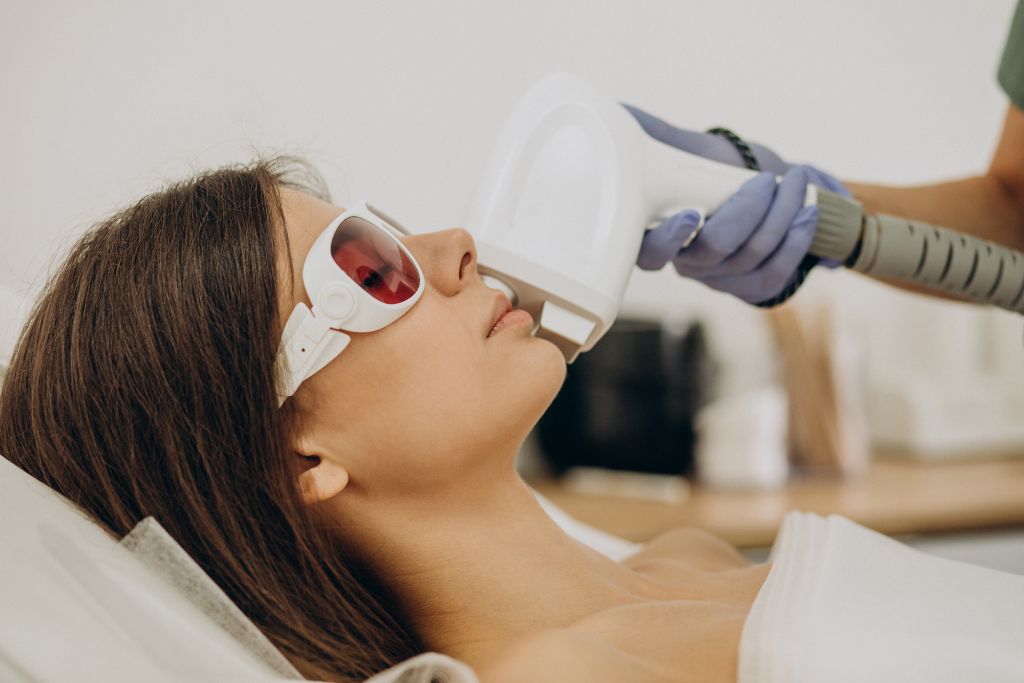
Top Skin Care Mistakes to Avoid in 2026 — Dermatologist Advice
Skin care trends change every year, but healthy skin principles remain the same.
In 2026, dermatologists are seeing a rise in skin problems not because of a lack of products, but due to incorrect skin care habits influenced by social media trends, overuse of active ingredients, and widespread misinformation.
Many people invest in expensive skin care yet continue to struggle with acne, pigmentation, sensitivity, dullness, or early aging. In most cases, the real issue is not the skin itself — it is daily skin care mistakes that slowly weaken and damage the skin barrier.
This guide explains the top skin care mistakes to avoid in 2026, based on dermatologist experience, and shows how small, practical corrections can lead to healthier, stronger, and more balanced skin.

Why Skin Care Mistakes Matter More in 2026
Modern skin care places heavy emphasis on active ingredients, fast results, and viral routines. While innovation has improved treatment options, improper product use can weaken the skin barrier over time.
When the skin barrier is compromised, the skin becomes more vulnerable to irritation, inflammation, and long-term damage.
Signs of a damaged skin barrier include:
- Frequent acne breakouts
- Burning or stinging sensation
- Increased pigmentation
- Uneven skin texture
- Premature fine lines and wrinkles

Top Skin Care Mistakes to Avoid in 2026
1. Overusing Active Ingredients
In 2026, active ingredients such as retinol, acids, vitamin C, and exfoliating serums are widely used. However, layering multiple actives together without guidance is a major skin care mistake.
Overuse can cause:
- Redness and peeling
- Skin sensitivity
- Breakouts instead of improvement
2. Following Social Media Skin Trends Blindly
Viral routines such as extreme exfoliation, DIY peels, or home microneedling may look appealing online but can seriously damage the skin.
What works for one person may not suit another skin type.
3. Skipping Sunscreen Indoors
Many people still believe sunscreen is needed only outdoors. In reality, UV rays and screen exposure affect the skin even indoors.
Skipping sunscreen can lead to:
- Pigmentation
- Uneven skin tone
- Early aging
4. Over-Cleansing the Skin
Washing the face too frequently strips natural oils and damages the skin barrier, especially in oily or acne-prone skin.
Over-cleansing causes:
- Dehydration
- Increased oil production
- Sensitivity
5. Ignoring Moisturizer for Oily or Acne-Prone Skin
Skipping moisturizer is a common myth-driven mistake. Lack of hydration forces the skin to produce even more oil.
6. Using Home Remedies Without Medical Advice
Ingredients like lemon, baking soda, toothpaste, or undiluted essential oils can burn or irritate the skin.
These remedies often cause:
- Dark patches
- Skin sensitivity
- Long-term damage
7. Sleeping with Makeup or Sunscreen On
Not cleansing the skin at night prevents natural skin repair.
- Clogged pores
- Acne breakouts
- Dull, tired-looking skin
8. Changing Products Too Frequently
Switching products every few weeks does not give the skin enough time to respond, often leading to irritation and confusion.
9. Over-Exfoliating the Skin
Excessive exfoliation weakens the skin barrier and increases sensitivity.
10. Ignoring Professional Help
Delaying dermatologist consultation while trying random products often worsens skin conditions.

How to Build a Safer Skin Care Routine in 2026
A healthy skin care routine does not need to be complicated or trend-driven. In 2026, dermatologists emphasize simplicity, balance, and consistency.
Focus on the basics:
- Gentle cleansing suited to your skin type
- Daily moisturization to support the skin barrier
- Regular sunscreen use, even indoors
- Minimal use of active ingredients
- Consistency instead of frequent experimentation
When Should You See a Dermatologist?
You should consider consulting a dermatologist if:
- Acne or pigmentation keeps returning
- Your skin feels sensitive, irritated, or damaged
- Products cause burning, redness, or peeling
- You are unsure which routine or products suit your skin
Early professional guidance saves time, money, and protects long-term skin health.
Final Thoughts
In 2026, the biggest skin care mistake is trying to do too much. Healthy skin comes from understanding your skin type, avoiding harmful habits, and following dermatologist-approved practices.
Instead of chasing quick fixes or viral trends, focus on long-term skin health. Small, consistent changes today can prevent major skin problems in the future.
If your skin shows signs of damage or does not respond to basic care, seeking professional advice is always the safest and most effective step.
Author
Dr. Shaikh Waseemuddin
Dr. Shaikh Waseemuddin is a Consultant Dermatologist at Dermaconsult Clinic, Aurangabad, with extensive clinical experience in treating medical and cosmetic skin conditions.
This article is reviewed for clinical accuracy and written to provide patient-friendly guidance based on real-world dermatology practice and accepted medical standards.
Dermatologist • Skin & Hair Specialist